
Organized Crime at Every Level
FORWARD
We’re getting closer to the launch of Avarice: The Morningstar RPG, developed with Modiphius and Fat Goblin Games. You can directly sign up here, or even better, through Fat Goblin Games’ special link where you’ll get bonus dice and an early adopter discount.
AND, if you join our Patreon at the Consumer tier and up, you’ll get a new challenge coin as “proof of personhood”, as well a special scenario for the RPG, called “Driftspace.”
Now, without more preamble, enjoy the following lore covering gangsters on Kandia, the setting of the RPG and the only ecumenopolis (world-spanning city) of the Hegemon!
– Mr. Greebles
Artwork by Dan Zay
Lightfield Studios, Ukraine
The Kandian Underworld
Crime has always been a part of the culture of the Kantaur system. It was smugglers, gun runners, and criminal syndicates that brought Hegemon agents into the Worlds of the Kanta and ignited the Great Revolution. Organized mobsters intrinsically understand Avarice as the root of why they tempt imprisonment or worse at the hands of the law. In myths and legends, it is the criminal that is the hero, seeking wealth, prestige, and status through their wits alone.
On Kandia, the shining ecumenopolis of the Hegemon, this maxim is taken to the extreme. Food, water, goods, resources of every brand and kind are in constant demand on a planet that numbers in the trillions. One delayed freightliner could cause a catastrophic impacs on the population. As such, when the MacroCorps slip, it is the Shadow Markets that take over.
In terms of legality, a Shadow Market encompasses the more acceptable ‘Grey’ markets, which sell food, medication, and other necessities for unregulated prices and from questionable origins. Lawkeepers, the legal enforcement force on Kandia, will often turn a blind eye to these activities, unless they have to fill a quota… Even so, most Lawkeeper officers enjoy a generous understanding with the cartels and gangs that run them. The deeper “Dark” markets are another thing entirely, as their products are things like narcos, Synolitics, contraband velanite, guns, exogen products, and even people.
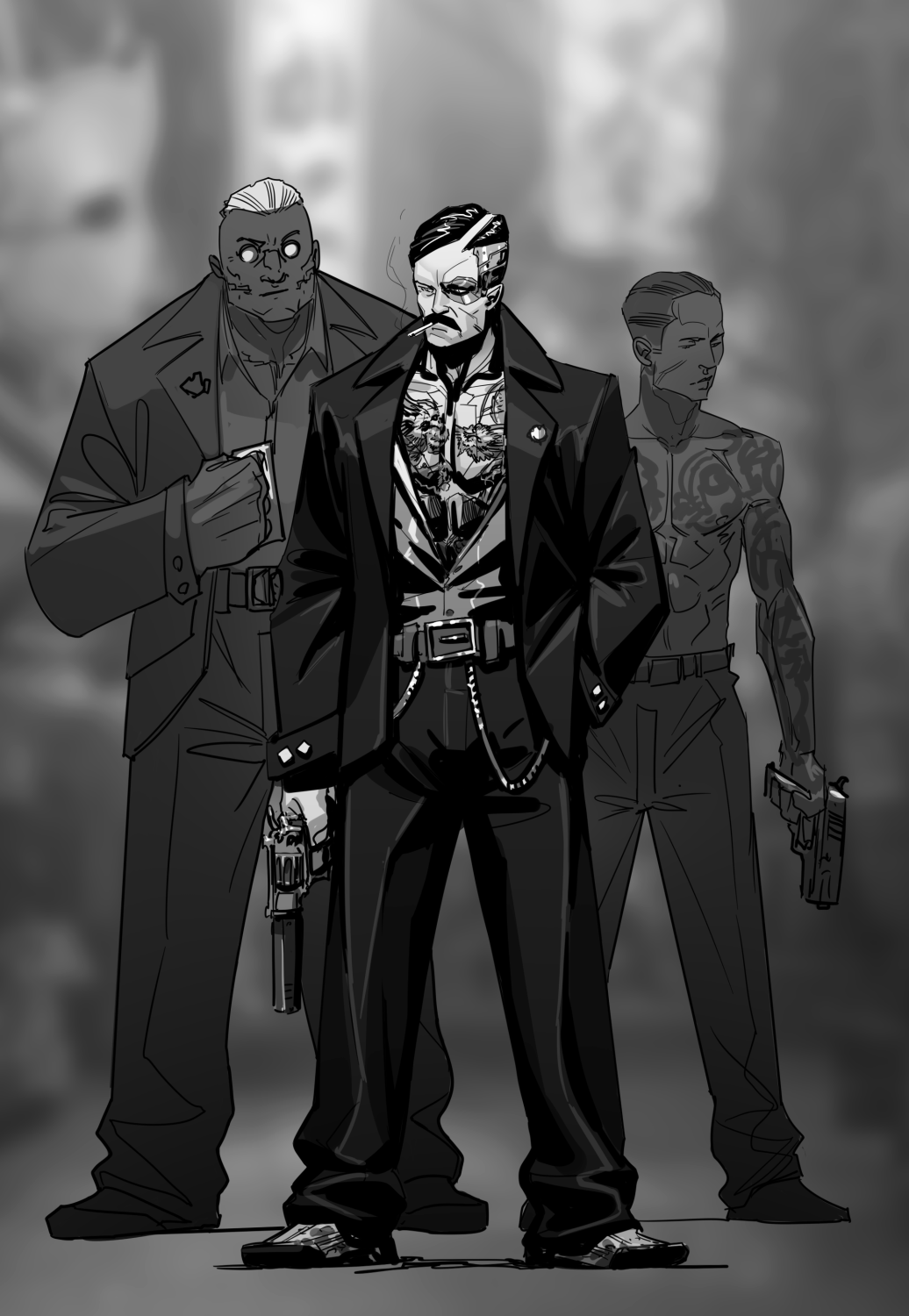
Gangsters wear a variety of Protean and High-Kandian styles that clash with one another. This is their style, both broadcasting their allegiances and acting as a warning. Gilded bionetics and choice organoids make each one a threat, but you won’t know what kind until the bullets start to fly.
The Food Chain
Petty gangs grow out from the countless immigrant and endemic ethno-groups of the city, both numan and human alike. These are often born out of desperation, a desire for protection, or a sense of belonging. Whatever the reasons as to why these groups form, if they survive, they can establish territory and from there, start playing a real part in underworld politics.
Just as a Corpo entity aspires to be a MacroCorp whose power is determined by its legal monopolies, a gang starts at the “Block” level, usually a part of a hab-stack, growing to control a Ward, and then a District. At this point it must contest with the next entity, a syndicate, which control Prefectures, the cities within the planetary city of Kandia.
These gangs are often referred to by the same name as the area they inhabit: The Mids, where the majority of the Kandian population is located. They begin to climb, literally and figuratively, along with their influence and success, achieving legitimacy in the Concourse levels and ascending even higher, into the Cloudline.
The Syndicates are often ancient organizations, replete with their own rituals and customs. The upper hierarchy of a Syndicate is often legitimate, able to mingle with the Corpos of the Hegemon and maintain strong relationships with politicians of the Urbanate, Kandia’s planetary government.
These Syndicates form a series of cartels that stem from the Great Revolution, each with their own clear and stable borders that divide Kandia and both of its moons. Known as the Nine Chiefs, these cartels form a partnership known as the Underboard, which acts as a regulatory element for the largest criminal empire in the Thousand Empires.
The Tap
The Hegemon utilizes narcos, often begrudgingly. Obviously chemical stimulants, enhancements, and medicinals are a must, omnipresent through uncountable products, but when it comes to recreational use, there is an extreme social stigma, as well as largely prohibited in the Lex, which supersedes local national/governmental laws.
The reason for this is straightforward, as written by Dumno-Ualos himself.
“Value is derived from human dedication and creation. That is why we refuse the seduction of the synthan, the ergoid, the machine. When the Self is muddled by distractions or toxins, it cheapens our inherent worth. It infiltrates the family, it indoctrinates the body, it is a conspiracy of our own creation to topple us from within, to sap at and impurify our very thoughts.”
~ The Manual, First Edition
Despite this lofty aspiration, the CorpoSoci is still plagued by the human need for release, escape, and relief. While upper-credit holders are deemed sufficiently responsible and thus capable of maintaining a ‘habit,’ this allowance does not exist for the rest of the Consumer classes.
They seek it anyway.
Narcos like Xa-kusa manifest a sense of immortality and imperviousness, while Mauvine, a byproduct of velanite refinement, is inhaled to achieve euphoric oblivion. Brix removes anxiety, fear, and reduces the need for sleep, while Drip/Kick is a local, popularized, ethylan drink steeped in Belt Sea algae.
All this and more is colloquially known as “the Tap”, representing one of the most lucrative revenue streams in Known Space, and it all passes through Kandia.
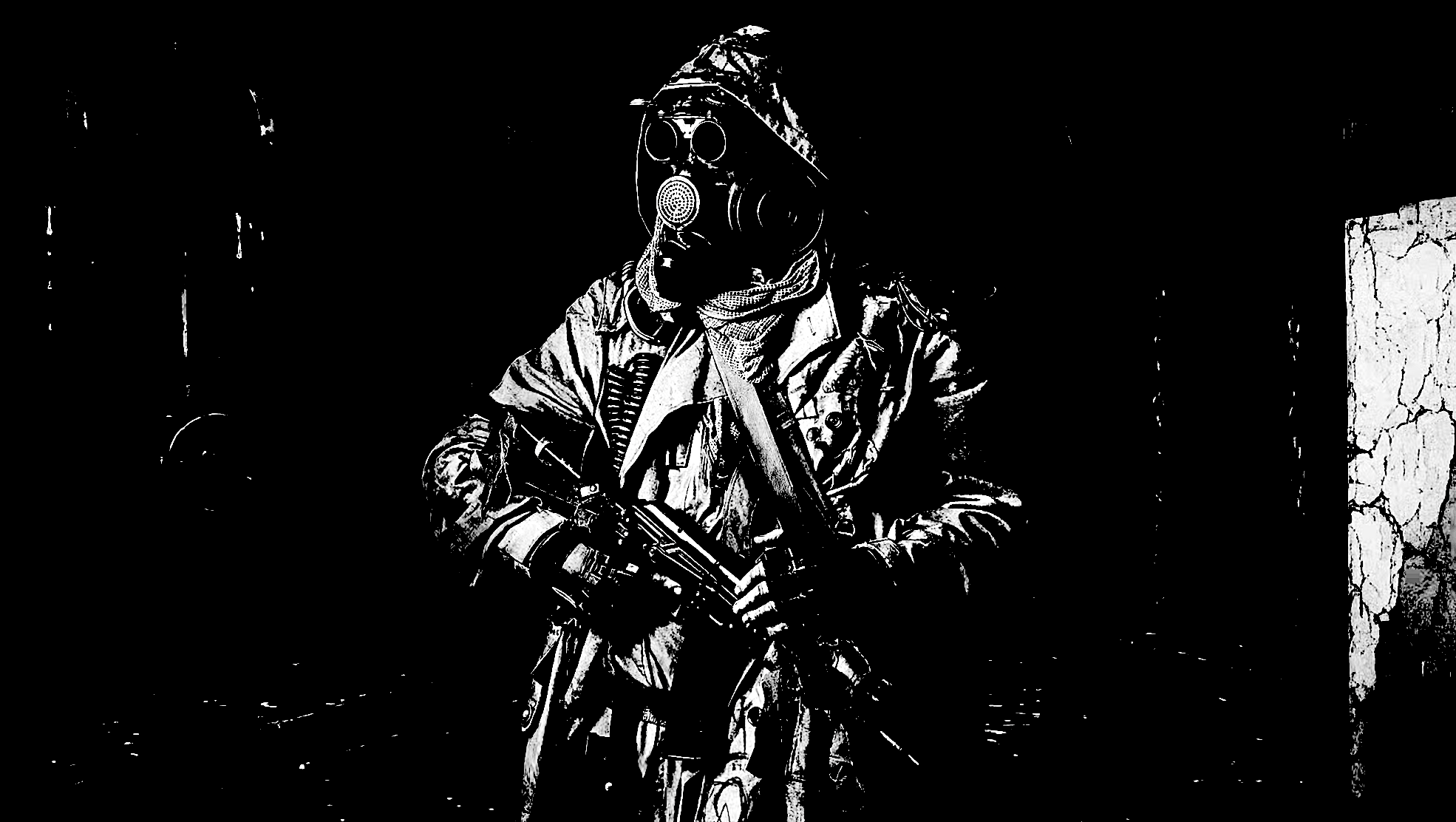
Tollies are a fearsome, tribalist, groups that migrate through the planet’s unused tunnel networks as roving bands of raiders. They take what they need from other communities in the deepdown or make incursions into Corpo and Urbanate facilities. They are a constant problem for the authorities but, if paid, can become invaluable guides.
Members of the Syndicates in the Mids and the surface stratas are threatening but they are ultimately centered around the foundations of civilized society. The unnumbered gangs of the Substrates are little more than wasteland barbarians. They are known as Tollies, a moniker earned from their reputation of extorting various labor groups and maintenance crews that pass through the substrates.
Wild populations of every description have thrive amongst the rogue nations that rule the darkest parts of the ecumenopolis. Down there, Unionist organizations, as well as the descendants of Royalists who survived the Great Revolution eight hundred fiscal cycles ago, hide and bide their time.
The gangs in the “deepdown” are effectively the muscle for anyone wishing to rule in the substrates. They are vicious, preternaturally lethal, and brazenly oppose the Lawkeepers, the gangs above, and even each other, utilizing a massive network of sewers and transit tunnels that crisscross the globe to move a bout. They are strongest in the Gyren, the districts that border the Belt Sea. There, in the formacrete bayous, they can become a thorn in the planet’s shipping lanes unless properly compensated.
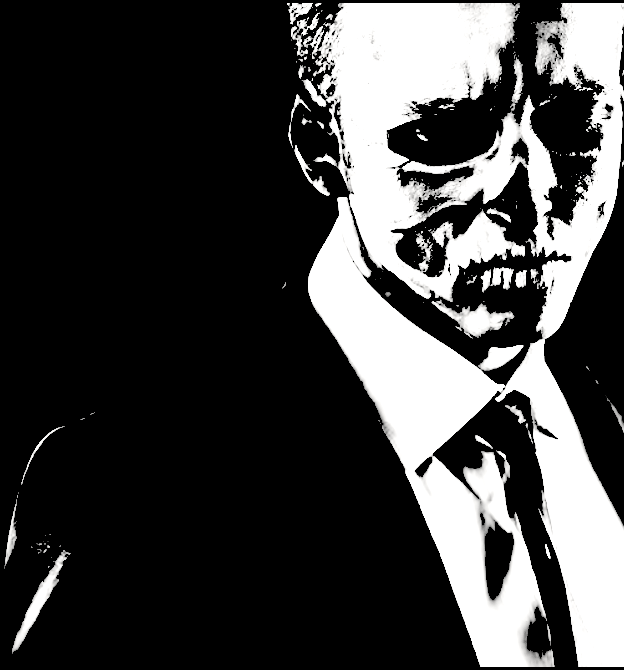
Well dressed, well armed, and motivated to succeed by their parents, the Virtues prey upon the lower stratas of Kandia but their goals are comparatively short term. Members are either juveniles, young adults, or those wealthy individuals going through the life longevity process of the Crucible (transdifferentiation)
The Virtues
Above the Cloudline, among the true elite of Kandia, are the Virtues. For all the brutality found below, the Virtues are the most depraved of Kandia’s gangs, for they alone experience crime without its desperation, absolving necessity, or the painful consequences of breaking the law.
Crime serves as a teacher.
Their members are the scions of Corpos, senior politicians, and the military families that make up the military junta of the Compact. Forming militant ‘cliques’ that are just gangs by another term, they go out into the broader city to get their hands dirty on behalf of the Corpo entities and political parties their parents are a part of.
Membership in a Virtue is often a precursor to receiving a position within a parent’s Corpo, political office, or even military command. What outsiders might perceive as nepotistic abusive privilege is treated by Kandia’s upper class as a practical education. What better way to understand the law then by avoiding it in the pursuit of profit? How better to test the future generations mettle then by surviving a street fight with some over-muscled thug from the Mids? A young scion is expected to demonstrate a hands-on understanding of the Self, Avarice, and the machinery of the CorpoSoci by starting on the outskirts of legality.
Each Virtue adopts a poetic title such as Temperance, Charity, Fortitude, Mercy, or Patience, and each holds their own territory above the Cloudline. While they do not necessarily extort the upper reaches of the city, they do pressure other children of the elite to prove their worth, and will even sponsor events for membership to their cliques.
Lawkeepers understand that arresting a Virtue member could end a career and implicate an entire precinct, although technically there is no difference between any Consumer of Kandia on paper, there are consequences for arresting a Virtue over something petty. Even the Underboard deals with the Virtues carefully. The Nine Chiefs regard them as reckless amateurs protected by family wealth, but the cartels also depend upon them for access to political offices, Directorate contracts, and MacroCorp supply chains. A Virtue may cause a war through sheer arrogance, then become the only party capable of negotiating its end.
As they age, the Virtues abandon the colors and flamboyance of their youth and reorganize into military-oriented cliques associated with Compact Regiments. These closed associations serve as enforcement arms for government ministries, political parties, and Compact authorities. They suppress labor movements, intimidate political opponents, and conduct a measure of targeted violence that cannot be officially assigned to the military or Lawkeepers.
Many officers of the Compact began their careers in these cliques. So did Corpos, and Urbanate ministers. For the lower classes, crime is a means of survival. For the Syndicates, it is an industry. For the Virtues, it is an education in how power truly works.